Fossil Dig Paleontologist Excavation Station
Fossil Dig Paleontologist Excavation Station turns sand bins into a backyard dig site where kids sift, brush, and log buried dino skeletons and amber gems.

Scan with your phone camera to open the rules and timer on mobile.
Fossil Dig Paleontologist Excavation Station — Quick Host Facts
At-a-glance player count, age group, category, and supply requirements.
| Category | Active & Outdoor Games |
|---|---|
| Player Count | 👥 4-14 players |
| Best Age Group | 🎯 Kids |
| Supplies | 2 shallow 32-quart underbed plastic storage bins filled with 25 lbs clean play sand, Plastic dinosaur skeletons, toy fossils, and acrylic 'Amber Gems' (4-5 per child), Plastic sand sifter scoops, mini shovel spoons, and clean 1-inch pastry/paint brushes, Small kraft paper Specimen Bags (1 per paleontologist), Printed Dinosaur Bone Identification Chart & Field Log |
How to Play
Official rules and step-by-step instructions. Read aloud to your group to kick off!
What Is Fossil Dig Paleontologist Excavation Station?
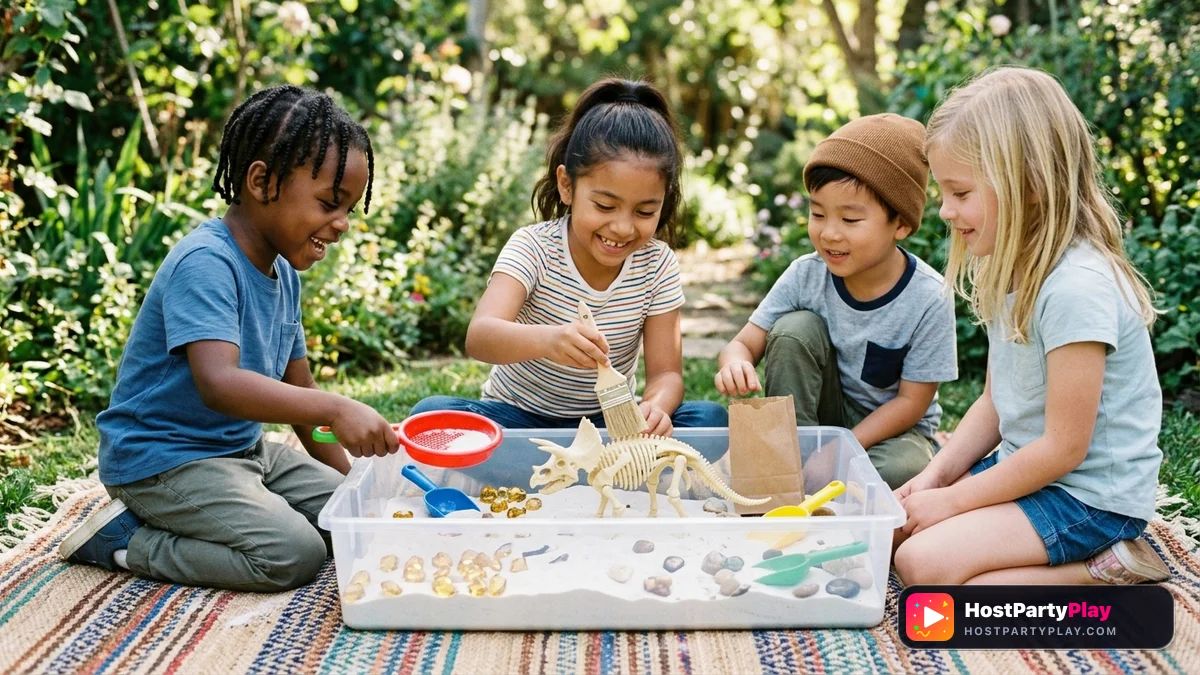
Fossil Dig Paleontologist Excavation Station transforms low-walled sensory bins filled with clean play sand (or DIY baked sand-dough rocks) into an authentic prehistoric field camp. Armed with sifter scoops and soft brushes, kids unearth hidden dinosaur skeletons and glowing "amber" gems, matching every find against an official Bone Identification Chart to earn their Field Badge.
Quick Stats
- Players: 4-14 players (4-6 diggers per 32-qt bin)
- Ages: Kids (3-10)
- Round Time: 15-25 minutes
- Setup Time: 10 minutes
- Space Needed: 8x10-foot lawn, driveway, or tarp-covered patio
- Mess Factor: Medium (dry play sand outdoors)
- Vibe: Focused explorer discovery and treasure-hunt thrills
How to Set Up
- Place two wide, shallow 32-quart underbed storage tubs on an 8x10-foot outdoor tarp or grass lawn and pour 3 inches of clean white play sand (or crushed cornmeal/oatmeal for toddler-safe indoor play) into each bin.
- Bury 4 distinct fossil types per child across different depths: 2 plastic dino skeletons, 1 smooth river pebble ("Dino Gizzard Stone"), 1 gold/orange acrylic gem ("Fossilized Amber"), and 1 rare metallic-painted "Golden T-Rex Claw."
- Lay 1 plastic sand sifter scoop, 1 clean 1-inch bristle brush, and 1 labeled Kraft Specimen Bag around the rim for each paleontologist.
- Display the printed Fossil Identification Chart upright on a tabletop sign stand or clipboard at the center of camp.
The 30-Second Host Script
💡 Host Takeaway & Quick TipWelcome to Badlands Dig Site Alpha, Paleontologists! Beneath three inches of ancient desert sand lie four classes of prehistoric specimens—Dinosaur Skeletons, Gizzard Stones, glowing Amber Gems, and rare Golden Claws! Remember the Paleontologist's Code: scoop gently straight down—never fling sand above the bin rim—and brush your fossils clean before logging them on your Specimen Chart! Grab your brushes and start excavating!
How to Play: Step-by-Step Rules
- Station 4-6 Diggers Around Each Bin: Space kids evenly around the long sides of the low underbed bins on their knees so everyone reaches the center comfortably without leaning over heads.
- Sift Top Layers First: Scoop surface sand gently through plastic sifters back into the same bin to uncover shallow Amber Gems and small vertebrae.
- Brush Delicately Like a Pro: Whenever a plastic ribcage or skull peeks out of the sand, swap scoops for 1-inch brushes to sweep sand grains off the ridges before lifting the fossil out!
- Identify & Check Off Specimens: Match each unearthed skeleton (Triceratops frill, Stegosaurus plates, T-Rex jaw, Pteranodon wings) against the Field Identification Chart and check off its box.
- Enforce the Fair-Quota Rule: Cap each digger's Specimen Bag at 3 Dinosaurs + 1 Amber Gem + 1 Stone—any extra fossils uncovered get re-buried 2 inches deep as a "Secret Assist" for a friend still searching!
- Verify the Golden Claw Bonus: Once every paleontologist fills their 5-item Field Quota, trade in the rare Golden Claws for bonus dino stickers while keeping the clean skeletons inside their take-home bags!
How to Win and Break a Tie
Every junior scientist who logs and bags all 4 specimen classes earns Official Master Paleontologist status and keeps their excavated dino fossils! For older kids ages 7-10 wanting a timed challenge, run a 90-second "Blindfolded Brush & Guess" tiebreaker where finalists feel one mystery plastic dinosaur behind their back and name its species—fastest right answer wins!
Variations for Every Group
- Kids Version: For toddlers ages 2-4 indoors, swap sand for puffed rice cereal or rolled oats and bury chunky 4-inch dinosaur figurines with big scoops.
- Adults Version: Bake hard "Plaster/Cornstarch Dino Eggs" (2 cups baking soda + 1 cup cornstarch + water dried overnight around mini trinkets) that teen or adult guests chip open using wooden craft sticks and vinegar droppers!
- Large-Group 15+ Version: Run 3 rotating 8-minute Field Shifts of 5 diggers each—takes just 45 seconds for the host to toss 15 fresh plastic skeletons back under the sand between shifts!
- Budget/No-Supplies Swap: Crumple brown paper grocery bags into shredded "rock strata" inside a clean laundry basket and hide cardstock bone puzzle pieces that assemble into a 3-foot floor T-Rex!
Host Tips and Common Mistakes
- Supply Warning: Always use low-sided 6-inch-tall underbed storage boxes rather than deep 18-inch totes—short kids tip deep totes over trying to reach the bottom!
- Common Pitfall: Letting one speedy child scoop 11 dinosaurs in 2 minutes leaves slower brushers empty-handed; stating the exact "3 Dinos + 1 Gem" bag limit upfront guarantees happy sharing.
- Safety Note: Remind kids "Sand Stays Below the Rim" before handing out shovels, and keep clean dry paper towels nearby to brush dusty hands off before snack time.
- Host Pro-Tip: Mix 1/4 cup of water into 25 pounds of dry play sand so it packs slightly like damp beach sand—kids can carve neat "excavation trenches" that hold their shape without dusty clouds!
Supplies & Setup
5 items needed to play.
- 2 shallow 32-quart underbed plastic storage bins filled with 25 lbs clean play sand
- Plastic dinosaur skeletons, toy fossils, and acrylic 'Amber Gems' (4-5 per child)
- Plastic sand sifter scoops, mini shovel spoons, and clean 1-inch pastry/paint brushes
- Small kraft paper Specimen Bags (1 per paleontologist)
- Printed Dinosaur Bone Identification Chart & Field Log
See It Played Live & Creator Credits
Real families, party hosts, and creators sharing the fun. Watch them in action and check out their channels below!
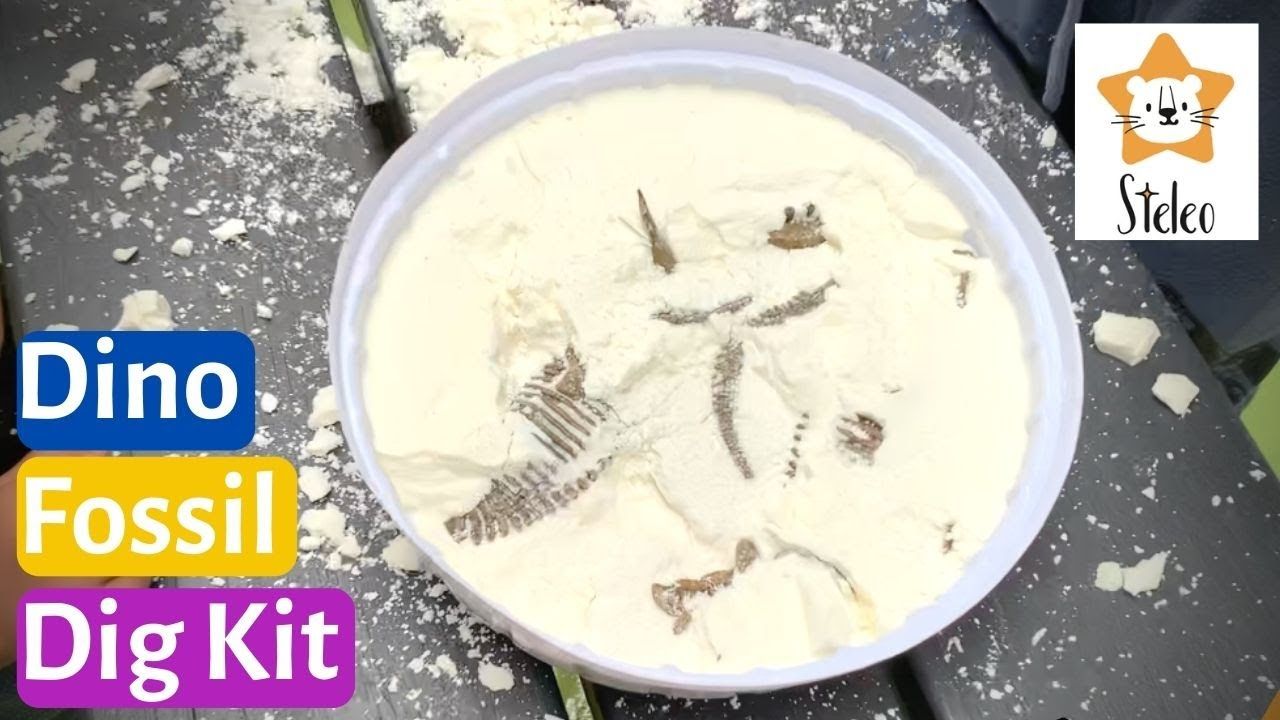
“Demonstrates making a simple at-home dinosaur fossil dig sensory kit with household ingredients.”
Fossil Dig Paleontologist Excavation Station FAQ
How much play sand do I need to fill a 32-quart underbed dig bin?
One 25-pound box of clean play sand fills a standard 32-quart underbed storage tub to a 2.5- to 3-inch depth—deep enough to hide toy skeletons completely without making the bin too heavy to lift.
What is a mess-free indoor alternative to sand for a Fossil Dig?
Pour 4 boxes of Cheerios, rolled oats, dried pasta shells, or shredded brown kraft paper into the bin—vacuuming stray oats off a living-room rug takes 30 seconds!
How do I make hard 'fossil rocks' kids can chip open?
Mix 2 cups flour, 1 cup salt, 1 cup sand, and 3/4 cup warm water into dough, wrap walnut-sized balls around mini plastic dinosaurs, and air-dry for 48 hours (or bake at 250°F for 90 minutes) so kids crack them gently with wooden craft sticks!
How many kids fit comfortably around one excavation bin?
Four to six children fit around the four sides of a rectangular underbed bin without bumping elbows; set out two bins side by side for parties of 8 to 12 guests.
Do the excavated dinosaur skeletons double as party favors?
Yes! Giving each child a stamped Kraft paper 'Specimen Bag' to store their 3 brushed skeletons and amber gem doubles as an interactive take-home favor.
Complete Your Party Plan
Pair this with perfectly matched recipes, printables, and planning tools for a stress-free event.
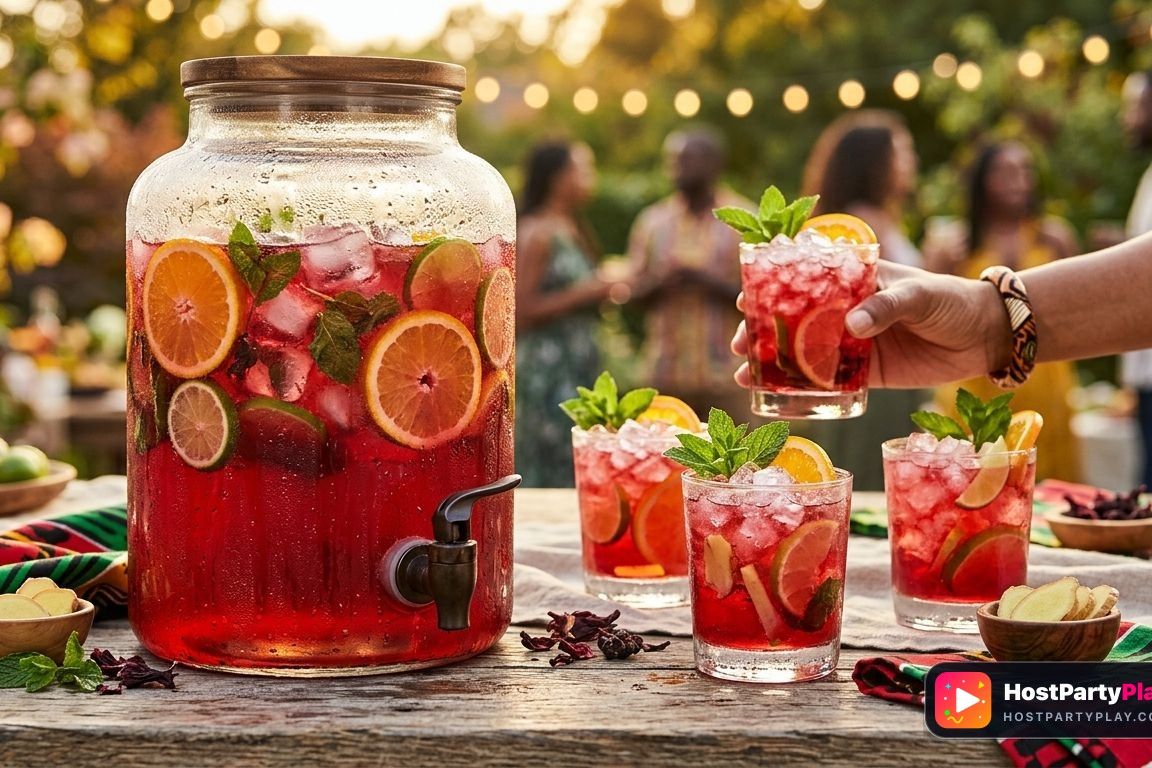
Juneteenth Red Drink Hibiscus Punch for a Crowd
Serve Juneteenth red drink punch to honor tradition with bold hibiscus, fresh ginger, and citrus. Perfect for big summer gatherings.
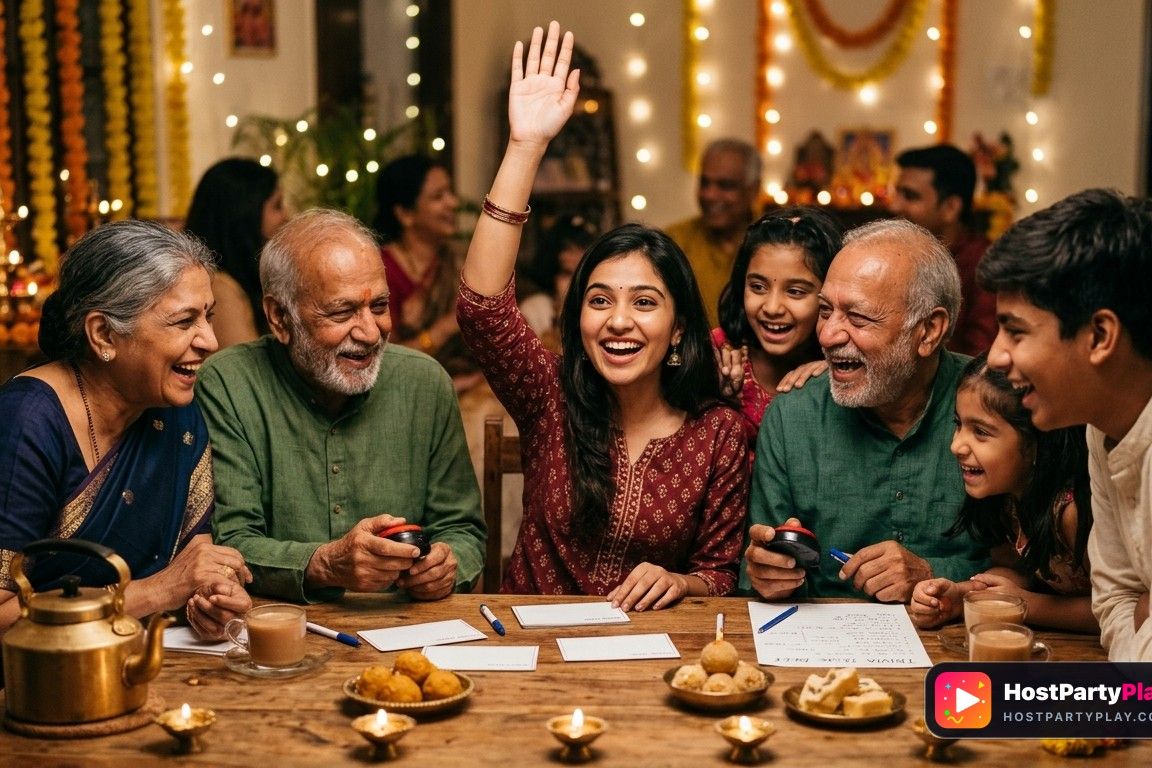
Ramayana & Diwali Trivia: 50 Questions and Answers
Challenge your party with 50 Ramayana and Diwali trivia questions and answers. Features easy rounds, deep lore, and quick tiebreakers for game night.
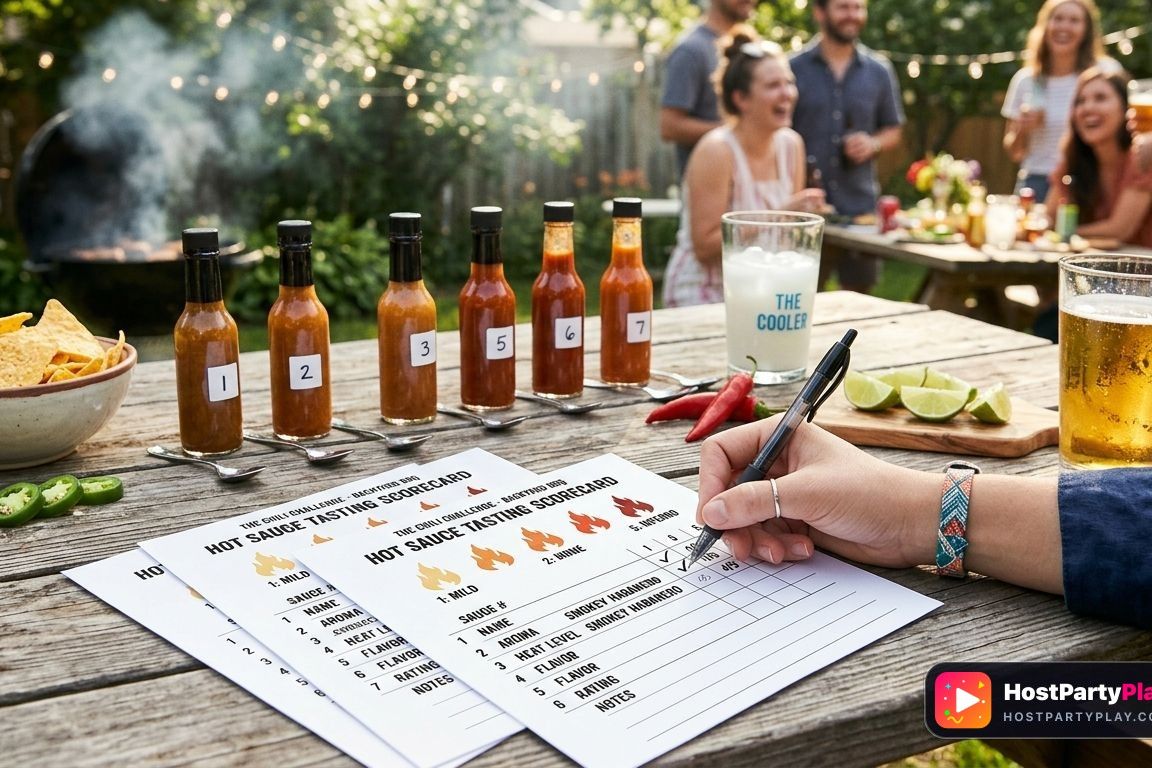
Hot Sauce Challenge Heat Scale Printable Scorecard & Tasting Sheet
Rate 10 rounds of hot sauce from mild to meltdown. Printable Scoville heat scale tasting scorecard with burn ratings, flavor notes, and survival awards.